Convenience store insurance in Miami is a tailored commercial insurance package that protects store owners from liability claims, property damage, theft, and business interruption — risks that are especially high in South Florida due to heavy foot traffic, hurricane exposure, elevated crime rates, and a litigious legal environment. If you own or are opening a convenience store in Miami-Dade County, the right insurance isn’t optional — it’s the foundation that keeps your business running after the unexpected hits.
What Convenience Store Insurance Covers
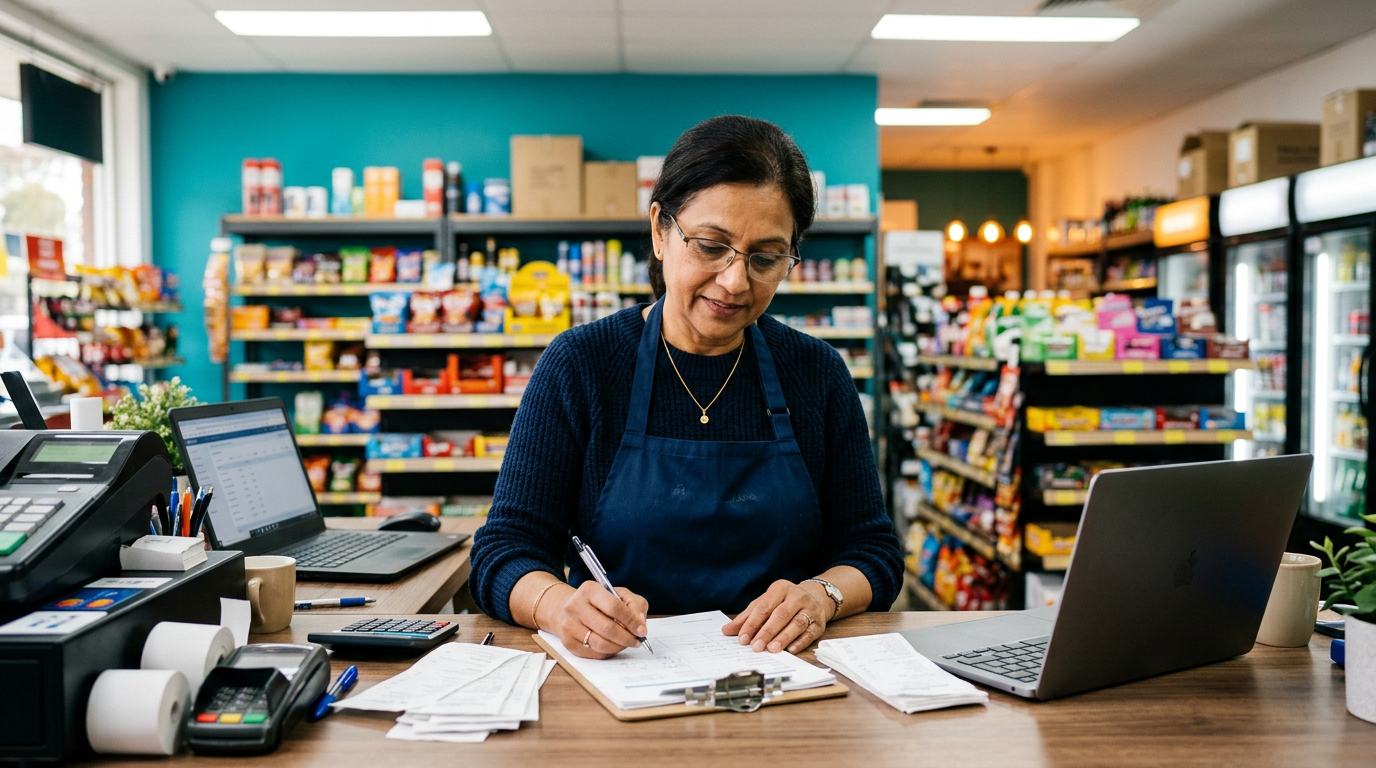
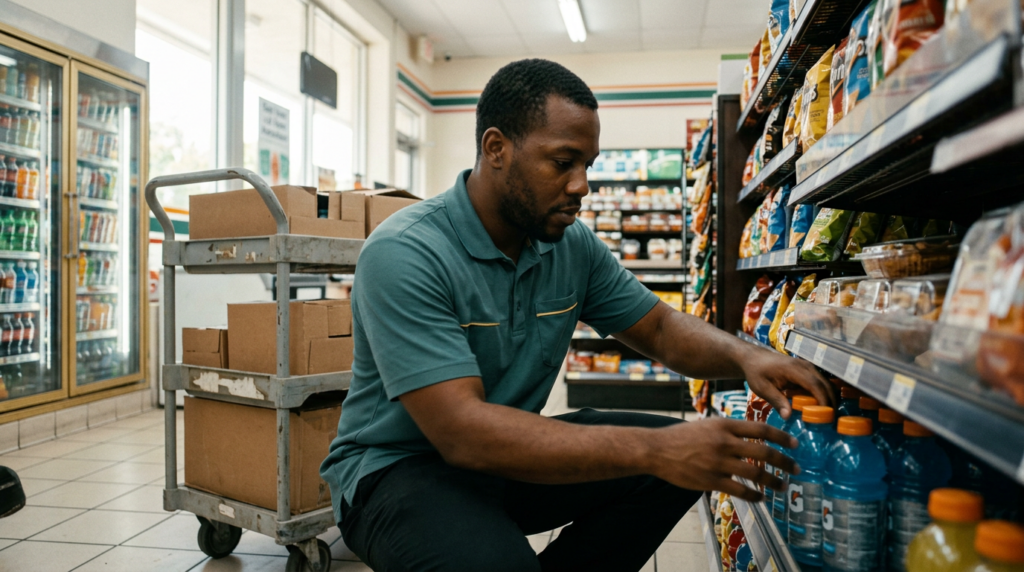
A convenience store faces a unique combination of risks every day: customers slipping on wet floors, employees getting injured stocking shelves, refrigeration equipment breaking down overnight, or a hurricane forcing a weeks-long closure. In Miami, these risks are amplified by the city’s tropical climate, high tourism volume, and dense commercial corridors.
A well-structured convenience store insurance package in Miami typically includes:
- General liability insurance — covers third-party bodily injury and property damage claims, such as a customer slipping and falling inside your store. Most policies provide $1 million per occurrence and $2 million aggregate limits.
- Commercial property insurance — protects your building (if owned), inventory, shelving, refrigeration equipment, signage, POS systems, and interior improvements against fire, theft, vandalism, and storm damage.
- Business owner’s policy (BOP) — bundles general liability and commercial property into a single, cost-effective package. This is the most common starting point for convenience store owners.
- Workers’ compensation insurance — required in Florida for businesses with four or more employees (including part-time staff). Covers medical expenses and lost wages for on-the-job injuries.
- Liquor liability insurance — essential if your store sells beer, wine, or spirits. Standard general liability policies exclude alcohol-related incidents. This covers claims arising from injuries or damages caused by intoxicated customers who purchased alcohol at your store.
- Crime and employee dishonesty coverage — protects against robbery, burglary, shoplifting losses, and theft by employees. Critical for cash-heavy, late-night operations.
- Business interruption insurance — replaces lost income and covers ongoing expenses (rent, payroll, utilities) if your store must close temporarily after a covered event like a hurricane or fire.
- Equipment breakdown insurance — covers repair or replacement costs for commercial refrigerators, freezers, ice machines, HVAC systems, and other essential equipment after mechanical failure.
- Cyber liability insurance — increasingly important as stores adopt digital payment systems. Covers costs related to data breaches, customer notification, and legal defense if your POS system is hacked.
If you operate delivery vehicles, you’ll also need commercial auto insurance. And if you want an extra layer of protection beyond your standard policy limits, a commercial umbrella policy can extend coverage across all your underlying liability policies.
How Much Does Convenience Store Insurance Cost in Miami?
Insurance costs for convenience stores vary based on location, store size, annual revenue, number of employees, operating hours, and the products you sell. Here’s what Miami convenience store owners can expect to pay based on national and Florida-specific data:
| Coverage Type | National Average | Miami Estimate |
|---|---|---|
| Business Owner’s Policy (BOP) | $184/month ($2,208/year) | $220–$350/month |
| General Liability (standalone) | $72/month ($857/year) | $85–$150/month |
| Workers’ Compensation | $82/month ($979/year) | $90–$175/month |
| Liquor Liability | $28–$37/month | $35–$75/month |
| Crime / Employee Dishonesty | $30–$60/month | $40–$80/month |
| Cyber Liability | ~$57/month | $50–$90/month |
| Commercial Umbrella ($1M) | ~$60/month | $60–$100/month |
Estimated total annual cost in Miami: $5,000–$12,000+ depending on your operation.
Miami convenience stores typically pay more than the national average for several reasons:
- Hurricane and windstorm risk — Miami-Dade’s location in a high-wind zone drives up commercial property premiums significantly. Named storm deductibles can range from 2% to 5% of the insured property value.
- Flood exposure — standard property policies do not cover flood damage. Many Miami stores sit in FEMA-designated flood zones and need separate flood insurance.
- Higher crime rates — stores in certain commercial corridors, particularly those operating late at night or 24/7, face elevated robbery and theft risk, which increases both general liability and crime insurance costs.
- Litigation climate — South Florida has historically been one of the most plaintiff-friendly legal environments in the country, increasing claim severity and insurance costs.
- Alcohol sales — stores that sell alcohol pay higher premiums across multiple policy types due to the added liability exposure.
Florida Requirements Every Convenience Store Owner Must Know
Florida has specific insurance and licensing requirements that affect every convenience store operating in the state:
Workers’ compensation is mandatory once you employ four or more people, including part-time workers. Failure to carry coverage can result in stop-work orders and penalties. Even if you’re below the four-employee threshold, carrying workers’ compensation insurance protects you from personal liability if an employee is injured.
Alcohol sales licensing is regulated by the Florida Division of Alcoholic Beverages and Tobacco (DBPR). Convenience stores selling packaged beer need a 1APS license; those selling beer and wine need a 2APS license. If you sell spirits, you’ll need a quota license (3PS), which is population-restricted and can cost significantly more to obtain. Alongside licensing, liquor liability insurance is strongly recommended — and often required by landlords and licensing authorities.
Lease and landlord requirements — most commercial landlords in Miami require proof of general liability insurance (typically $1 million per occurrence) and may require being listed as an additional insured on your policy before they’ll execute a lease. No insurance means no lease.
Florida building codes — Miami-Dade County enforces some of the strictest building and wind-resistance codes in the country. Your commercial property policy must reflect the actual replacement cost of your building and improvements under these codes, not just the market value.
How to Save on Convenience Store Insurance in Miami
Insurance is a significant operating expense, but smart strategies can reduce your premiums without cutting essential coverage:
Bundle into a BOP. A business owner’s policy combines general liability and commercial property insurance at a lower cost than purchasing them separately. Many carriers offer additional multi-policy discounts when you add workers’ comp, commercial auto, or umbrella coverage to the same account — potentially saving 10–25%.
Invest in loss prevention. Installing surveillance cameras, central station alarm systems, adequate interior and exterior lighting, and fire suppression equipment signals lower risk to underwriters. Many carriers offer direct premium credits for security and safety improvements.
Train your employees. Staff trained in spill cleanup, customer service de-escalation, safe lifting practices, and responsible alcohol sales (if applicable) reduce the frequency and severity of claims — which directly impacts your renewal pricing.
Maintain a clean claims history. A track record free of frequent losses is the single most powerful factor in keeping your premiums competitive. Even small, frequent claims can trigger rate increases or non-renewals.
Raise your deductibles strategically. Higher deductibles reduce your premium, but ensure you can comfortably absorb the out-of-pocket cost if a claim occurs.
Work with an independent agent. An independent agent shops your coverage across multiple carriers simultaneously. Because convenience store insurance requires layering several policies from different carriers, an independent agent can mix and match to optimize both coverage and cost — often finding rates significantly lower than a single-carrier captive agent.
Why SOVA Insurance for Your Convenience Store
Finding the right insurance for a convenience store in Miami requires an agent who understands both the retail risk landscape and the South Florida market. At SOVA Insurance, we work with 50+ carriers — including those that specialize in retail, food service, and convenience store programs — to build comprehensive, competitively priced packages for store owners across Miami-Dade County.
As an independent agency, we aren’t tied to any single carrier’s pricing or underwriting appetite. We shop your risk across the market to find the best combination of coverage, cost, and carrier financial strength. Whether your store is a corner bodega in Little Havana, a high-volume shop near Brickell, or a family-run market in Hialeah, we customize coverage to match your exact operations.
We serve Miami’s diverse business community in English, Russian, and Ukrainian — and we handle everything from initial quotes to certificates of insurance (COIs) to claims advocacy. Our annual policy reviews ensure your coverage evolves with your business.
Common Coverage Gaps Miami Store Owners Should Avoid
Even experienced convenience store owners often carry policies with dangerous gaps. Here are the most common ones we see:
No flood insurance. Standard commercial property policies exclude flood damage entirely. Given Miami-Dade County’s extensive FEMA flood zones and vulnerability to tropical storms, operating without separate flood coverage is a major financial risk.
Undervalued inventory and equipment. If your policy’s property limits don’t reflect the current replacement cost of your refrigeration units, POS systems, and stock, you’ll receive a partial payout after a loss — leaving you to cover the difference.
Missing liquor liability. General liability policies explicitly exclude alcohol-related claims. If a customer leaves your store intoxicated, causes an accident, and you’re held liable, your GL policy won’t respond. A separate liquor liability policy is essential for any store selling alcohol.
No business interruption coverage. If a hurricane forces your store to close for two months, you still owe rent, utilities, and possibly payroll. Without business interruption insurance, those costs come directly out of your pocket — or force you to close permanently.
Windstorm exclusions. Some commercial property policies exclude wind damage or carry separate, higher deductibles for named storms. In Miami, a policy with windstorm exclusions offers incomplete protection. Always review your policy’s hurricane and named-storm deductible carefully.
Frequently Asked Questions
How much does convenience store insurance cost in Miami?
Most Miami convenience store owners pay between $5,000 and $12,000 per year for a comprehensive insurance package. A business owner’s policy (BOP) alone averages $220–$350 per month in Miami — higher than the national average of $184 per month — due to hurricane risk, flood exposure, and elevated crime and litigation costs. Your exact premium depends on store size, revenue, employee count, operating hours, and whether you sell alcohol.
Do I need liquor liability insurance for my convenience store in Florida?
If your convenience store sells any alcohol — including packaged beer and wine — you should carry liquor liability insurance. While Florida law does not universally mandate it, most landlords and licensing authorities require it. Standard general liability policies exclude alcohol-related claims, so without a separate liquor liability policy, you’d be fully exposed if a customer causes harm after purchasing alcohol at your store. Premiums typically start at $35–$75 per month in Miami.
What is the most important insurance for a convenience store?
A business owner’s policy (BOP) is the most critical starting point because it bundles general liability and commercial property insurance into a single, cost-effective package. However, in Miami, a BOP alone is rarely sufficient. You’ll also need workers’ compensation (required with 4+ employees in Florida), flood insurance (excluded from standard property policies), and liquor liability if you sell alcohol.
Does a BOP cover hurricane damage to my convenience store?
A BOP typically covers wind damage from hurricanes under the commercial property component, but it usually comes with a separate named-storm or hurricane deductible — often 2% to 5% of the insured property value. Flood damage from storm surge or heavy rainfall is not covered by a BOP or standard property policy. You’ll need a separate flood insurance policy to protect against water damage, which is critical in Miami-Dade County.
Can an independent agent help me get better rates on convenience store insurance?
Yes. An independent agent like SOVA Insurance compares quotes from dozens of carriers — including specialty retail and convenience store insurance programs — to find you the best rates and coverage. Because convenience stores typically need multiple policy types (BOP, workers’ comp, liquor liability, flood, crime), an independent agent can optimize each layer separately rather than forcing everything into a single carrier’s package, often resulting in significant savings.
Get Convenience Store Insurance in Miami — Free Quote
Protecting your convenience store starts with the right coverage at the right price. SOVA Insurance works with 50+ carriers to build tailored insurance packages for Miami convenience store owners — covering everything from general liability and property to flood, crime, and liquor liability.
- Call us at 954-780-6667
- Email: [email protected]
- Or get a commercial insurance quote online and we’ll get back to you shortly.
The information provided in this article is for general informational purposes only and does not constitute legal, financial, or professional insurance advice. Coverage options, pricing, requirements, and regulations vary by carrier, policy, and jurisdiction and are subject to change. Always consult with a licensed insurance professional and review the terms of any policy carefully before making coverage decisions. SOVA Insurance makes no representations or warranties regarding the accuracy, completeness, or applicability of the information presented here, and assumes no liability for any decisions made in reliance on this content. For personalized guidance, contact a licensed agent directly.