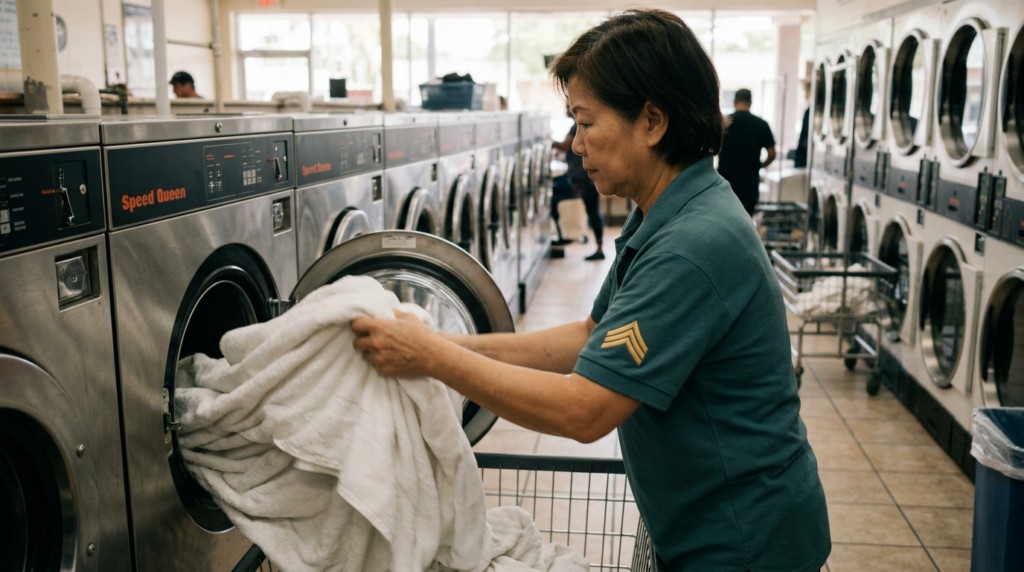
Laundromat insurance in Miami is a specialized commercial insurance package that protects coin laundry and self-service laundry businesses from equipment breakdowns, customer injuries, property damage, fire, water damage, and business interruption. If you own or plan to open a laundromat in Miami-Dade County, the right insurance protects an investment that typically costs $200,000 to $500,000 to build — and it’s usually required by landlords, lenders, and franchise agreements before you can open your doors.
Why Laundromats in Miami Need Specialized Insurance
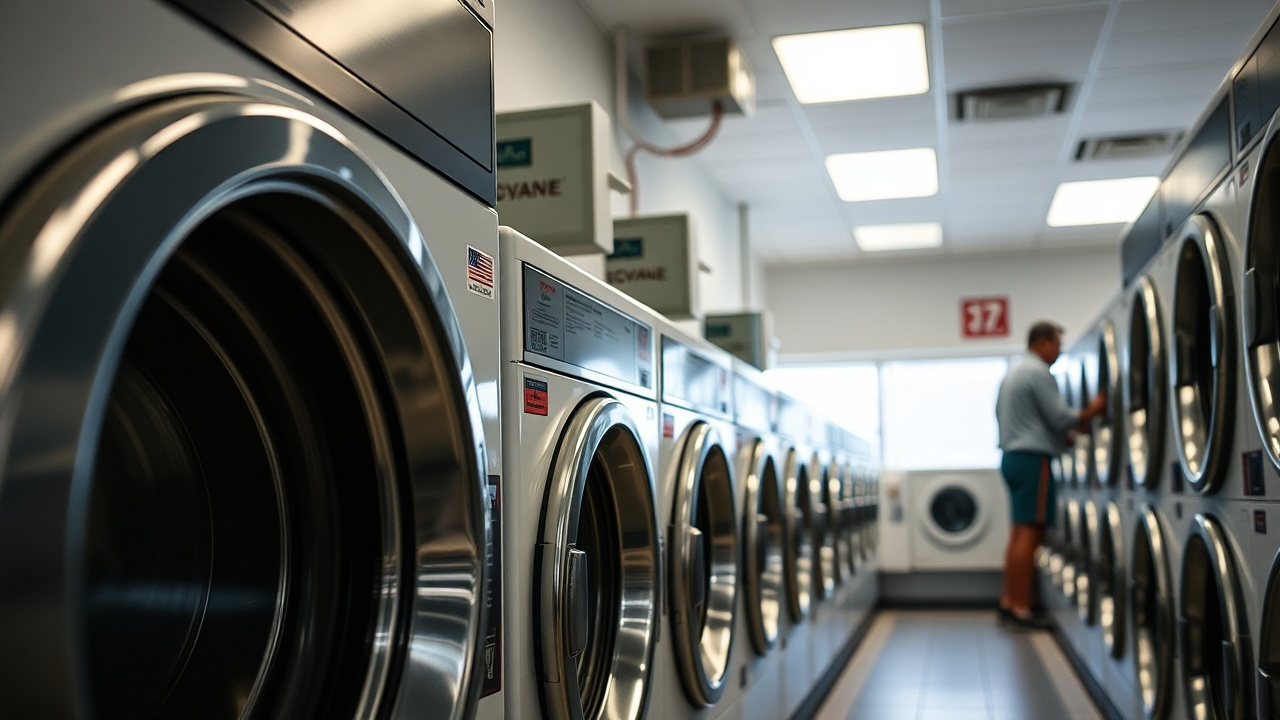
Laundromats face a unique combination of risks that standard business insurance doesn’t always cover properly. Water, heat, electricity, heavy machinery, and constant customer foot traffic create daily exposure to property damage, injuries, and equipment failure. In Miami, these risks are amplified by hurricane season, flood-prone geography, and South Florida’s high litigation environment.
Here are the risks that make laundromat insurance in Miami essential:
- Dryer fires — lint buildup and electrical faults in commercial dryers are one of the most common laundromat claims. A single dryer fire can cause tens of thousands of dollars in damage and shut down your operation for weeks.
- Water damage — burst hoses, overflowing machines, and sewer backups can flood your facility, damage equipment, and affect neighboring businesses. Standard property policies often exclude water damage from internal sources.
- Slip-and-fall injuries — wet floors are inherent to laundromat operations. A customer who slips and falls can file a claim with medical costs and legal fees reaching well into five figures.
- Equipment breakdown — commercial washers and dryers cost $5,000 to $10,000 each to replace. A motor failure, electrical surge, or compressor breakdown can take multiple machines offline simultaneously.
- Customer property damage — if your machines damage a customer’s clothing — including expensive items like wedding dresses or business suits — you could be liable for the replacement cost.
- Theft and vandalism — coin-operated and card-payment laundromats handle cash and store valuable equipment, making them targets for break-ins, especially in 24-hour or unattended operations.
- Hurricane and flood damage — Miami-Dade County sits in one of the highest hurricane-risk zones in the country, and many commercial properties are in FEMA-designated flood zones.
Essential Coverage Types for Miami Laundromat Owners
A comprehensive laundromat insurance package in Miami typically layers several policies together:
Business Owner’s Policy (BOP) — the foundation for most laundromat owners. A BOP bundles general liability, commercial property, and business interruption insurance into a single, cost-effective package — typically 10–20% cheaper than purchasing each policy separately.
General Liability Insurance — covers third-party bodily injury and property damage claims. If a customer slips on a wet floor and breaks an arm, general liability pays for medical costs, legal defense, and settlements up to your policy limit. Most laundromats carry $1 million per occurrence / $2 million aggregate limits.
Commercial Property Insurance — protects your building (if owned), washers, dryers, folding tables, change machines, card payment systems, signage, and interior improvements against fire, theft, vandalism, and covered weather events. Ensure your policy reflects replacement cost, not actual cash value — critical when commercial-grade machines cost $5,000–$10,000 each.
Equipment Breakdown Insurance — one of the most overlooked and most valuable coverages for laundromat owners. Standard property insurance does not cover mechanical or electrical failure. This policy covers repair or replacement costs when washers, dryers, boilers, HVAC systems, or electrical panels break down due to internal causes like power surges, motor burnout, or compressor failure. At $200–$500 per year, it can save you $10,000–$50,000 on a single claim.
Business Interruption Insurance — replaces lost income and covers ongoing expenses (rent, utilities, loan payments) if your laundromat must close temporarily after a covered event like a fire or storm. This is typically included in a BOP but should be reviewed to ensure limits match your actual monthly revenue.
Workers’ Compensation Insurance — required in Florida for businesses with four or more employees, including part-time attendants. Covers medical bills and lost wages for on-the-job injuries such as back strains from lifting heavy laundry, burns from hot equipment, or slips on wet surfaces. Even if you’re below the four-employee threshold, workers’ comp protects you from personal liability.
Bailee Coverage — protects against claims if customer clothing is lost, stolen, or damaged while in your care. This is especially important if you offer wash-and-fold, drop-off, or pickup/delivery services. Standard liability policies do not cover customer property entrusted to your business.
Flood Insurance — standard property policies and BOPs exclude flood damage entirely. Given Miami-Dade County’s extensive FEMA flood zones and vulnerability to tropical rainfall and storm surge, separate flood insurance is essential for any laundromat in the area.
How Much Does Laundromat Insurance Cost in Miami?
Insurance costs depend on your location, building age, number and value of machines, services offered, employee count, and claims history. Here are typical cost ranges:
| Coverage Type | National Average | Miami Estimate |
|---|---|---|
| Business Owner’s Policy (BOP) | $2,500–$4,500/year | $3,000–$6,000/year |
| General Liability (standalone) | $800–$2,000/year | $1,000–$2,500/year |
| Commercial Property (standalone) | ~$2,700/year | $3,000–$5,000/year |
| Equipment Breakdown | $200–$500/year | $250–$600/year |
| Workers’ Compensation | $1,000–$3,000/year | $1,200–$3,500/year |
| Bailee Coverage | $200–$400/year | $200–$500/year |
| Flood Insurance | $500–$3,000/year | $800–$3,500/year |
| Sewer Backup Endorsement | $100–$200/year | $100–$250/year |
Estimated total annual cost in Miami: $4,000–$10,000+ depending on your operation size and services.
Miami laundromats typically pay more than the national average due to:
- Hurricane and windstorm exposure — named-storm deductibles in Miami-Dade often range from 2–5% of insured property value
- Flood zone designation — many commercial properties require separate flood coverage through NFIP or private carriers
- Higher commercial property values — replacement costs for buildings and equipment run higher in South Florida’s construction market
- Elevated litigation risk — South Florida’s plaintiff-friendly legal environment increases claim severity
How to Reduce Your Laundromat Insurance Premiums
Smart risk management can significantly lower your costs without sacrificing coverage:
Bundle into a BOP. Combining general liability, commercial property, and business interruption into a single package saves 10–20% compared to buying separate policies. Add workers’ compensation and equipment breakdown to the same account for additional multi-policy discounts.
Maintain your dryer vents. Have dryer vents professionally cleaned every one to two years. Lint buildup is the leading cause of laundromat fires, and documented maintenance records demonstrate risk management to underwriters — potentially reducing premiums by 5–15%.
Install security systems. Surveillance cameras, central-station alarm systems, and adequate lighting deter theft and vandalism. Many carriers offer direct premium credits for security improvements.
Keep detailed maintenance logs. Documenting routine equipment inspections, repairs, and safety checks shows insurers that you actively manage risk — a key factor in renewal pricing.
Raise deductibles strategically. Increasing your deductible from $500 to $2,500 can reduce premiums by 15–25%, but make sure you can absorb that out-of-pocket cost if a claim occurs.
Work with an independent agent. An independent agent shops your coverage across multiple carriers simultaneously, finding the best combination of price and coverage — especially important for laundromats, which need specialized policies that not every carrier writes.
Why SOVA Insurance for Your Miami Laundromat
Laundromat insurance requires an agent who understands both the equipment-heavy risk profile and the South Florida market. At SOVA Insurance, we work with 50+ carriers — including specialty programs designed specifically for laundromats and self-service retail operations — to build customized, competitively priced packages for Miami-area owners.
As an independent agency, we aren’t tied to any single carrier. We compare multiple quotes side by side, mixing and matching BOP, equipment breakdown, bailee, flood, and workers’ compensation coverage from different carriers to optimize both protection and cost. Whether your laundromat is a 20-machine coin-op in Hialeah, a full-service wash-and-fold in Kendall, or a 24-hour location near Brickell, we tailor coverage to match your exact operations and risk profile.
We serve Miami’s diverse business community in English, Russian, and Ukrainian. From initial quotes to certificates of insurance (COIs) required by landlords and lenders, to annual policy reviews and claims advocacy — we handle it all so you can focus on running your business.
Common Mistakes Laundromat Owners Make With Insurance
Skipping equipment breakdown coverage. Standard property insurance covers fire, theft, and weather — but not mechanical or electrical failure. Without equipment breakdown coverage, replacing a burned-out motor in a $8,000 commercial washer comes entirely out of your pocket.
Insuring at actual cash value instead of replacement cost. Actual cash value policies deduct depreciation, meaning you’ll receive far less than what it costs to replace your machines. Always insure your equipment at full replacement cost.
Ignoring flood insurance. Standard BOPs and property policies exclude flood damage. In Miami-Dade, where heavy tropical rainfall and storm surge can flood a ground-floor laundromat in hours, this gap can be catastrophic.
Overlooking bailee coverage. If you offer wash-and-fold or drop-off service and a customer’s clothing is damaged or lost while in your care, standard liability won’t cover it. Bailee coverage fills this gap for as little as $200–$400 per year.
Not reviewing sewer backup exclusions. Many commercial property policies exclude sewer and drain backup — a common and expensive event in laundromats. A sewer backup endorsement costs just $100–$250 per year and can save you thousands.
Frequently Asked Questions
How much does laundromat insurance cost in Miami?
Most Miami laundromat owners pay between $4,000 and $10,000 per year for a comprehensive insurance package. A business owner’s policy (BOP) — which bundles general liability, commercial property, and business interruption — typically costs $3,000 to $6,000 per year in Miami-Dade. Additional coverages like equipment breakdown, flood insurance, bailee coverage, and workers’ compensation add to the total based on your specific operation.
Does a BOP cover equipment breakdown at my laundromat?
No. A standard BOP covers property damage from external events like fire, theft, and vandalism, but it does not cover mechanical or electrical failure of your machines. You need a separate equipment breakdown policy (also called boiler and machinery insurance) to cover motor burnout, compressor failure, power surges, and other internal equipment failures. This add-on typically costs $200–$600 per year in Miami — a fraction of a single equipment replacement.
Is laundromat insurance required in Florida?
Florida does not mandate a single “laundromat insurance” policy, but workers’ compensation is required if you have four or more employees. Beyond legal requirements, most landlords require proof of general liability and commercial property insurance before executing a lease. Lenders and franchise agreements also require comprehensive coverage. Practically speaking, operating a laundromat without insurance in Miami is a financial risk no prudent owner should take.
What is bailee coverage and does my laundromat need it?
Bailee coverage protects you when customer property — such as clothing, linens, or uniforms — is lost, stolen, or damaged while in your care, custody, or control. If you offer wash-and-fold, drop-off, pickup, or delivery services, bailee coverage is essential. Standard general liability policies do not cover customer property entrusted to your business. Premiums typically range from $200 to $500 per year, depending on the maximum value of goods in your care at any given time.
Can an independent agent save me money on laundromat insurance?
Yes. Laundromat insurance requires multiple specialized coverages that not every carrier writes. An independent agent like SOVA Insurance compares quotes from dozens of carriers — including specialty laundromat programs — to find the best combination of coverage and price. By sourcing each policy layer from the most competitive carrier, an independent agent can often save 15–25% compared to purchasing all coverage from a single provider.
Get Laundromat Insurance in Miami — Free Quote
Your laundromat is a significant investment. Protect it with insurance built for the unique risks of the laundry industry — from dryer fires and equipment breakdowns to flood damage and customer injury claims. SOVA Insurance works with 50+ carriers to deliver comprehensive, competitively priced laundromat insurance packages across Miami-Dade County.
- Call us at 954-780-6667
- Email: [email protected]
- Or get a commercial insurance quote online and we’ll get back to you shortly.
The information provided in this article is for general informational purposes only and does not constitute legal, financial, or professional insurance advice. Coverage options, pricing, requirements, and regulations vary by carrier, policy, and jurisdiction and are subject to change. Always consult with a licensed insurance professional and review the terms of any policy carefully before making coverage decisions. SOVA Insurance makes no representations or warranties regarding the accuracy, completeness, or applicability of the information presented here, and assumes no liability for any decisions made in reliance on this content. For personalized guidance, contact a licensed agent directly.